Building and managing a farm-machinery dealer network in India
The channel playbook for manufacturers: appointment, territory, working capital and credit, demo and after-sales infrastructure, and the link between dealer reach and subsidy participation.
On this page
For a farm-machinery manufacturer, the dealer network is not a sales channel sitting next to the business — it largely is the business. A better machine loses to a worse machine with better dealers, every time. This is the channel playbook, lighter on regulation and heavier on the operating decisions that actually move machines.
It is the consulting companion to our Dealer Network & Channel practice.
Appointment: choose for staying power, not signing speed
The instinct of a manufacturer expanding out of its home state — say a Ludhiana implement maker moving beyond Punjab — is to appoint dealers fast. The discipline is to appoint dealers who will still be selling your machine in three years.
What to actually evaluate:
- Financial capacity to carry inventory and extend farmer credit through a season.
- Existing farmer relationships in the territory — a dealer with trust converts faster than a dealer with a bigger showroom.
- Service capability — can they actually fix the machine, in-season, in the field?
- Category fit — a tractor dealer is not automatically the right home for your sprayers or balers.
Territory: design it before you appoint, not after
Most channel conflict is self-inflicted, created by appointing overlapping dealers and sorting out boundaries later. Define territory up front — by district, by crop pattern, by realistic travel radius for service — and write it into the appointment. A clear territory protects the dealer's investment, which is what earns their investment in the first place.
Working capital and credit: the real lever
This is where machinery channels are won and lost. Farm machinery is a high-ticket, seasonal purchase, and the entire chain runs on credit:
- Dealer inventory financing — terms, channel-financing tie-ups, and how much stock a dealer carries into a season.
- Farmer credit — the dealer usually extends it; your terms to the dealer determine whether they can.
- Seasonality — demand concentrates around crop cycles, so cash flow is lumpy. A combine or baler dealer in the Sangrur belt lives or dies on getting paid across a sharply seasonal harvest window.
Get the credit architecture right and an average dealer outsells a great dealer on bad terms.
Demo and after-sales: the repeat-purchase engine
Farmers buy machinery they have seen work and trust to be supported. Two pieces of infrastructure decide repeat purchase:
- Demonstrations. Field demos in the dealer's territory, at the right point in the crop calendar, are the highest-converting marketing a machinery brand has.
- After-sales and spares. In-season downtime is catastrophic for a farmer and lethal for your brand. Spares availability, trained service technicians and turnaround time are not a cost centre — they are the single biggest driver of the next sale. This is why seasonal clusters treat after-sales as a survival issue, not a nicety.
The subsidy link: reach only converts through a capable dealer
Here is the connection manufacturers miss. Getting a model empanelled for SMAM and state subsidy schemes creates demand — but that demand only converts into a sale through a dealer who can handle the subsidy claim: the portal registration, the documentation, the Test Report and invoice the farmer needs at pre-sanction in states like Maharashtra. A dealer who cannot navigate the claim will lose a subsidised sale to one who can, even with an inferior machine. So dealer enablement and subsidy participation are the same project, not two.
Managing the network over time
Appointment is the start, not the finish. The ongoing job is performance management: targets and reviews, training cadence, dealer profitability (a dealer who does not make money will not stay), and culling and replacing non-performers without destabilising a territory. We build this operating system with manufacturers — see Dealer Network & Channel and, for the upstream systems and processes, Operations, Systems & Strategy.
Frequently asked questions
- Appoint for staying power, not signing speed. Evaluate financial capacity to carry inventory and extend farmer credit, existing farmer relationships and trust in the territory, genuine in-field service capability, and category fit (a tractor dealer is not automatically right for sprayers or balers). A dealer who will still be selling your machine in three years is worth more than one who signs fastest.
- Farm machinery is a high-ticket, seasonal purchase and the whole chain runs on credit. Dealer inventory financing determines how much stock a dealer carries into a season; the dealer usually extends farmer credit, and your terms to the dealer determine whether they can. Because demand concentrates around crop cycles, cash flow is lumpy. Getting the credit architecture right often matters more than the dealer's raw size.
- After-sales is the repeat-purchase engine. In-season downtime is catastrophic for a farmer and damaging to the brand, so spares availability, trained service technicians and fast turnaround are the single biggest driver of the next sale — not a cost centre. Field demonstrations at the right point in the crop calendar are the highest-converting marketing a machinery brand has.
- Empanelling a model for SMAM or a state subsidy scheme creates demand, but that demand only converts through a dealer who can handle the subsidy claim — portal registration, documentation, and the Test Report and invoice the farmer needs at pre-sanction in states like Maharashtra. A dealer who cannot navigate the claim loses subsidised sales to one who can. Dealer enablement and subsidy participation are the same project.
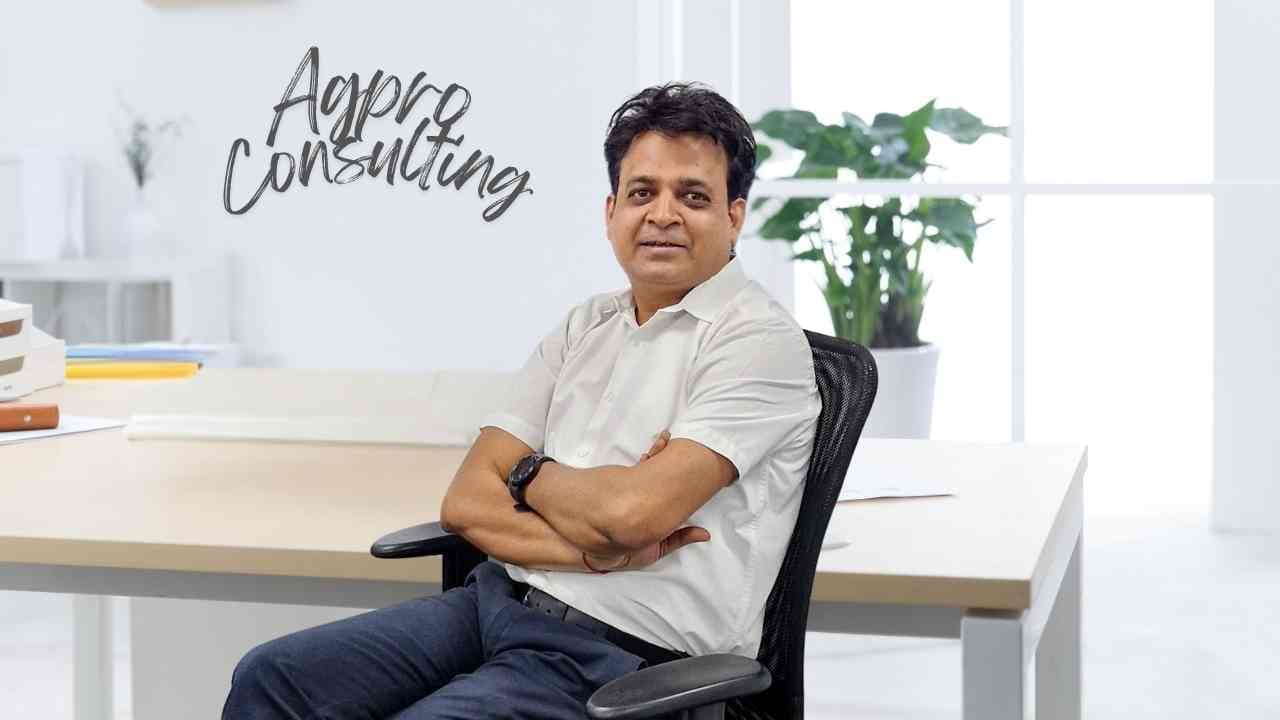
Devendra K Jha· Director, AgriMachinery Consulting
Engineer-leader and founder of AgriMachinery Consulting. Works with India's small and unorganised farm-machinery manufacturers on certification, homologation, subsidy empanelment, supply chain and dealer-network strategy from offices in Pune and New Delhi.
- Farm-machinery certification & homologation
- SMAM / state subsidy empanelment
- Manufacturing & supply chain